
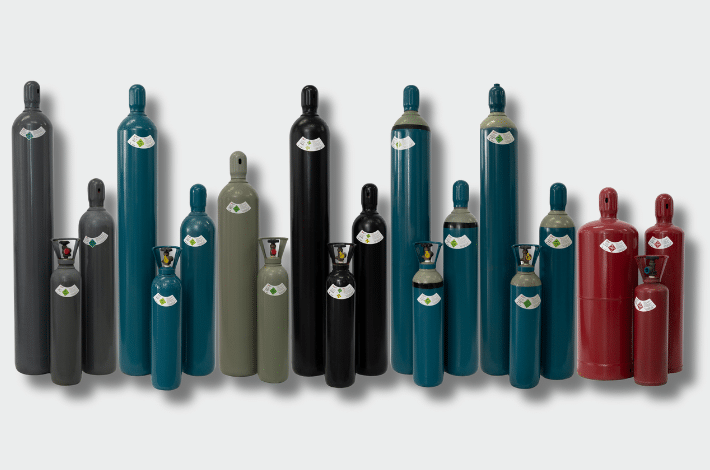
Choosing the Right Gas Cylinder Size
Selecting the right gas cylinder size is an important decision for businesses across multiple industries. The right choice can help businesses improve operational efficiency, manage costs, and comply with Australian safety standards.
Gas cylinders come in different sizes, each suited for specific applications. Some businesses require small, portable cylinders for occasional use, while others need larger options to ensure a steady gas supply without frequent refills. Choosing the correct size impacts everything from logistics and safety to cost-effectiveness.
In Australia, businesses handling industrial gases must comply with safety regulations such as AS 4332, which governs gas storage and handling. Understanding these standards and considering key factors like gas demand, storage capacity, and transport logistics will help in making the best decision for your business.
Factors to Consider When Choosing a Gas Cylinder Size
Several factors influence which gas cylinder size is most suitable for your needs. From the type of gas used to the frequency of refills, these considerations can help businesses optimise their gas supply while maintaining safety and efficiency.
1. Gas Usage and Demand
The amount of gas your business consumes and how often you need refills will directly impact the cylinder size you choose. If your operations require gas continuously, a larger cylinder may be more cost-effective, as it reduces the frequency of deliveries and downtime. However, businesses with lower or occasional gas usage may benefit from smaller cylinders, which are easier to handle and store.
Considerations:
- How often do you need to replace or refill your gas cylinder?
- Do you require a steady and uninterrupted gas supply?
- Would bulk supply be more economical for your business?
2. Gas Type and Application
Different gases are used for different purposes, and their storage requirements vary. Understanding how each gas is used in your industry will help determine the right cylinder size.
Common industrial gases and their uses:
- Nitrogen – Used in food and beverage and industrial cooling.
- Oxygen – Essential for welding, cutting, and medical applications.
- Carbon Dioxide (CO₂) – Used in beverage carbonation, welding, and greenhouse applications.
- Acetylene – A key gas in welding and metal fabrication.
- Argon – Used in welding, particularly in shielding gas mixtures.
3. Storage and Handling
Storage space and transport requirements play a big role in selecting the right gas cylinder size. Large cylinders require more secure storage and may need lifting equipment for transport, while smaller cylinders are more portable and convenient for businesses with limited space.
Each gas type has specific storage and handling requirements. Some gases, such as acetylene, require particular care in transport and use, while others, like nitrogen, are more commonly stored in high-pressure cylinders.
Things to consider:
- Do you have enough storage space for a large gas cylinder?
- Will you need specialised equipment for moving and handling?
- Are you frequently transporting cylinders between job sites?
If space is a concern, smaller cylinders may be the better option, even if they require more frequent replacements.
4. Safety and Compliance
Australian businesses must comply with AS 4332 – The Storage and Handling of Gases in Cylinders, which outlines the requirements for safe storage, handling, and transport. Additionally, workplace safety regulations set by Safe Work Australia provide guidelines for managing hazardous chemicals.
Best practices for gas cylinder safety include:
- Ensuring proper ventilation in storage areas.
- Securing cylinders in an upright position to prevent tipping.
- Keeping cylinders away from heat sources and direct sunlight.
- Using appropriate personal protective equipment (PPE) when handling gas.
By following these guidelines, businesses can minimise risks and ensure compliance with industry regulations.
Common Gas Cylinder Sizes in Australia
Gas cylinders come in different sizes, each suited for particular applications. Below is a breakdown of commonly used cylinder sizes in Australia and their typical uses:
| Cylinder Size | Approximate Value | Common Applications |
| Small (C,D) | 2L-10L | Portable welding, medical use, food preservation |
| Medium (E,F) | 23L-34L | Industrial welding, beverage carbonation, food processing |
| Large (G) | 50L | High-volume industrial applications, manufacturing |
The exact size and capacity may vary depending on the type of gas and supplier. For businesses requiring continuous gas supply, larger cylinders reduce the need for frequent refills. On the other hand, smaller cylinders are ideal for mobile applications or businesses with lower gas consumption.
Choosing the Right Cylinder Size for Your Business
The best gas cylinder size for your business depends on your industry, gas consumption, and logistical requirements. Below are key factors to consider when deciding which size is most suitable.
1. Small Businesses vs. Large-Scale Operations
Smaller businesses, such as cafes using CO₂ for beverage carbonation, may only require compact cylinders that are easy to handle and store. Larger manufacturing or welding operations, however, benefit from bigger cylinders that provide a continuous supply of gas without frequent refills.
2. Cost-Effectiveness
Balancing gas usage with rental and transport costs is essential for cost-effective operations. Large cylinders may have a higher initial rental cost but reduce the number of refills needed, ultimately lowering long-term expenses. On the other hand, smaller cylinders might be cheaper upfront but require more frequent replacements, increasing logistics costs.
Questions to ask:
- Would a bulk gas supply agreement lower costs?
- How often do you need to replace your gas cylinders?
- Are you paying high transport fees for frequent cylinder deliveries?
3. Supplier Considerations
Choosing a gas supplier with reliable delivery, flexible options, and industry expertise is essential. A good supplier will provide guidance on the best cylinder sizes based on your business’s needs and ensure a steady gas supply.
Choose Pacific Gas
Selecting the right gas cylinder size ensures efficient operations, cost savings, and compliance with Australian regulations. Whether your business requires small, portable cylinders or large, high-capacity options, choosing the correct size will improve productivity and minimise downtime.
Why Choose Pacific Gas?
- Wide range of gas cylinder sizes tailored for different industries.
- Reliable delivery and supply solutions to meet your business needs.
- Expert advice on choosing the right cylinder size for cost-effective operations.
Need Help Selecting the Right Gas Cylinder Size?
Contact Pacific Gas today for expert advice and a tailored supply solution.
Explore industry-specific gas solutions:
- Gas supply for manufacturing
- Automotive industry gas solutions
- Gas for agricultural applications
- Food and hospitality gas solutions
By choosing the right gas cylinder size, businesses can improve efficiency, reduce costs, and maintain compliance with Australian standards. Pacific Gas is here to help you find the best solution for your needs.


