The Role of Nitrogen in Food & Beverages
Nitrogen is a key component in the food and beverage industry, widely used for its versatility and safety in applications such as food preservation, packaging, and innovative culinary techniques. Pacific Gas explores the practical benefits of both gaseous and liquid nitrogen, primarily on its role in maintaining food quality, supporting efficient storage, and enabling creativity in food preparation.
Nitrogen in Food Preservation & Packaging
Nitrogen gas plays an important role in food preservation and packaging, particularly in maintaining freshness and extending shelf life. As an inert gas, it prevents oxidation by replacing oxygen in food packaging, which slows down spoilage and reduces the growth of bacteria and mould. This process, known as modified atmosphere packaging (MAP), is widely used in the food industry.
Nitrogen gas is especially effective in preserving dry or delicate foods such as crisps, coffee, and nuts by protecting their texture and flavour. For fresh produce, nitrogen helps retain the natural colour and firmness of fruits and vegetables for longer periods. In addition to packaging, nitrogen is also used in bulk storage of grains and similar perishables, preventing moisture damage and contamination.
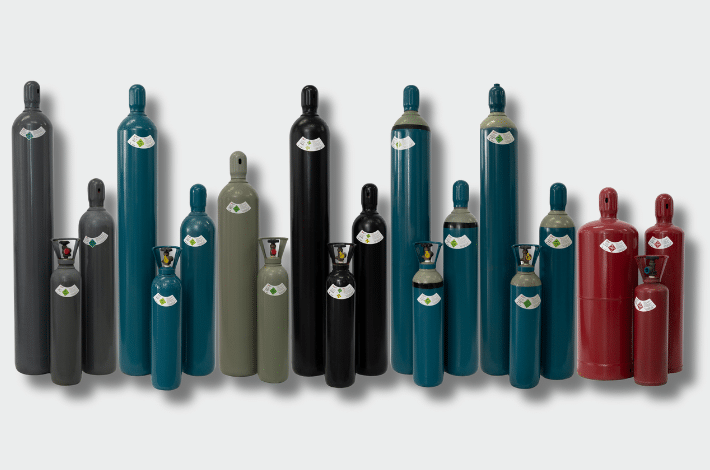
Food-grade nitrogen is delivered through specialised gas cylinders, which are specially designed to maintain high purity levels. These cylinders are necessary for food manufacturers looking to ensure product quality and safety throughout the production and packaging process.
The benefits of nitrogen in food preservation include:
- Maintaining the freshness and quality of food products for longer periods of time.
- Preventing spoilage by minimising the exposure of food to oxygen (oxidation).
- Supporting sustainable food practices by reducing waste and the reliance on chemical preservatives.
Liquid Nitrogen in Culinary Applications
Liquid nitrogen has become an important tool in gastronomy, particularly in high-end and experimental kitchens. Its extremely low temperature (-196°C) allows for rapid freezing, creating opportunities for chefs to develop innovative dishes with unique textures and visual effects.
Flash freezing is one of the most common uses of liquid nitrogen in food preparation. By freezing ingredients almost instantly, liquid nitrogen prevents the formation of large ice crystals, which helps preserve delicate structures and retain the original taste and texture of food. This method is especially useful for freezing items such as herbs, seafood, and fruit.
Another popular use of liquid nitrogen is in the creation of smooth and creamy ice creams or mousses. The rapid freezing process creates a fine texture that is difficult to achieve with traditional freezing methods. In addition, liquid nitrogen is used to produce dramatic presentation effects, such as vapour clouds emanating from dishes or cocktails, enhancing the overall dining experience.
These culinary applications make liquid nitrogen a versatile and valuable tool in the food industry. However, its use requires proper handling and training to ensure safety during preparation and service.
Safety of Nitrogen Use in Food
A common concern in the food industry is whether liquid nitrogen is safe for food preparation and consumption. When used properly, liquid nitrogen is completely safe for food applications. It evaporates rapidly at room temperature, leaving no harmful residues.
For food that has been prepared using liquid nitrogen, it is crucial to ensure that all residual liquid nitrogen has dissipated before serving. This step eliminates the risk of cold burns or other injuries caused by direct contact with extremely cold temperatures.
To safely use nitrogen in food, businesses should adhere to the following guidelines:
- Employ trained personnel to handle liquid nitrogen, ensuring proper use and storage in cryogenic tanks.
- Use appropriate safety equipment, such as insulated gloves and containers, to minimise risks during handling.
- Comply with regulatory requirements for the use of liquid nitrogen in commercial kitchens.
By following these precautions, businesses can confidently use nitrogen to enhance their food offerings while prioritising customer safety.
Buying & Using Liquid Nitrogen for Food
When purchasing liquid nitrogen, businesses should prioritise quality and compliance to ensure it is safe and suitable for food applications. Food-grade liquid nitrogen is certified for use in the preparation and preservation of consumables, providing peace of mind for both manufacturers and restaurateurs.
Considerations for purchasing liquid nitrogen include:
- Ensuring it is sourced from a trusted supplier who can verify its food-grade certification.
- Proper storage in approved cryogenic tanks to maintain its quality and prevent evaporation.
- Staff training to ensure the safe handling and application of liquid nitrogen in food preparation.
- Familiarity with local regulations governing the use of nitrogen in food-related settings.
Choose Pacific Gas for Your Food-Grade Nitrogen
Pacific Gas provides a range of nitrogen solutions designed to meet the unique requirements of the food and beverage industry. From gaseous nitrogen for food preservation and packaging to liquid nitrogen for culinary innovation, our products are manufactured to the highest standards of safety and quality.
Whether you are a restaurant seeking to enhance your menu with innovative dishes or a manufacturer looking to extend the shelf life of your products, Pacific Gas has the expertise and resources to support your goals.
Nitrogen continues to play an important role in the food and beverage industry, providing practical solutions for preserving food, ensuring safety, and enabling culinary creativity. With the right supplier and careful handling, businesses can maximise the benefits of this versatile gas in their operations.
Explore our food-grade nitrogen options today. For liquid nitrogen tailored to your business needs, explore our partnership with Supagas.